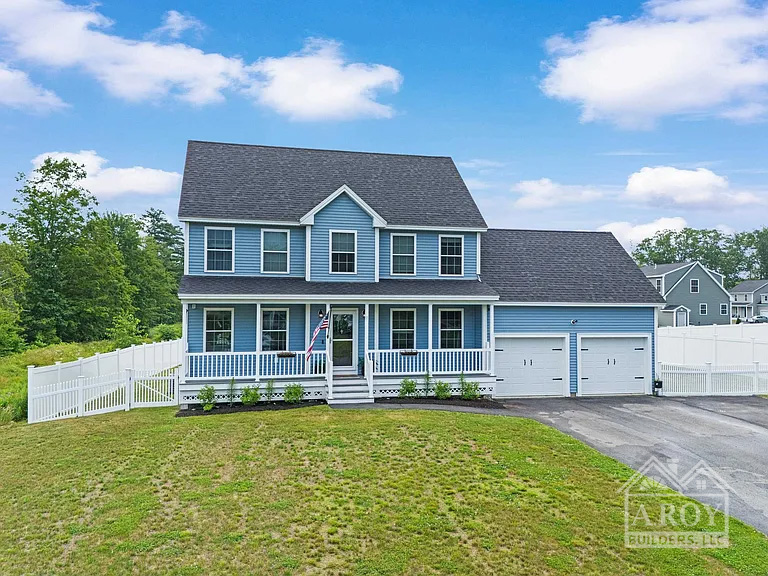
You have worked hard to get here. You have a piece of land, or you are close to finding one. You have a picture in your head of what home looks like, and you are ready to start making it real. The question on your mind right now is a fair one: what is this going to cost?
Here is the honest answer. A custom home does not have a price tag the way a car or a kitchen appliance does. What you spend is a direct reflection of what you build. Your land, your design, your finishes, your systems, and your location all shape the final number in ways that are specific to you and your project. No two custom homes are priced the same, because no two custom homes are the same.
What this guide will do is help you understand what actually goes into your home so that when you sit down with a builder, you feel informed, not overwhelmed.
Your Land Is the Starting Point
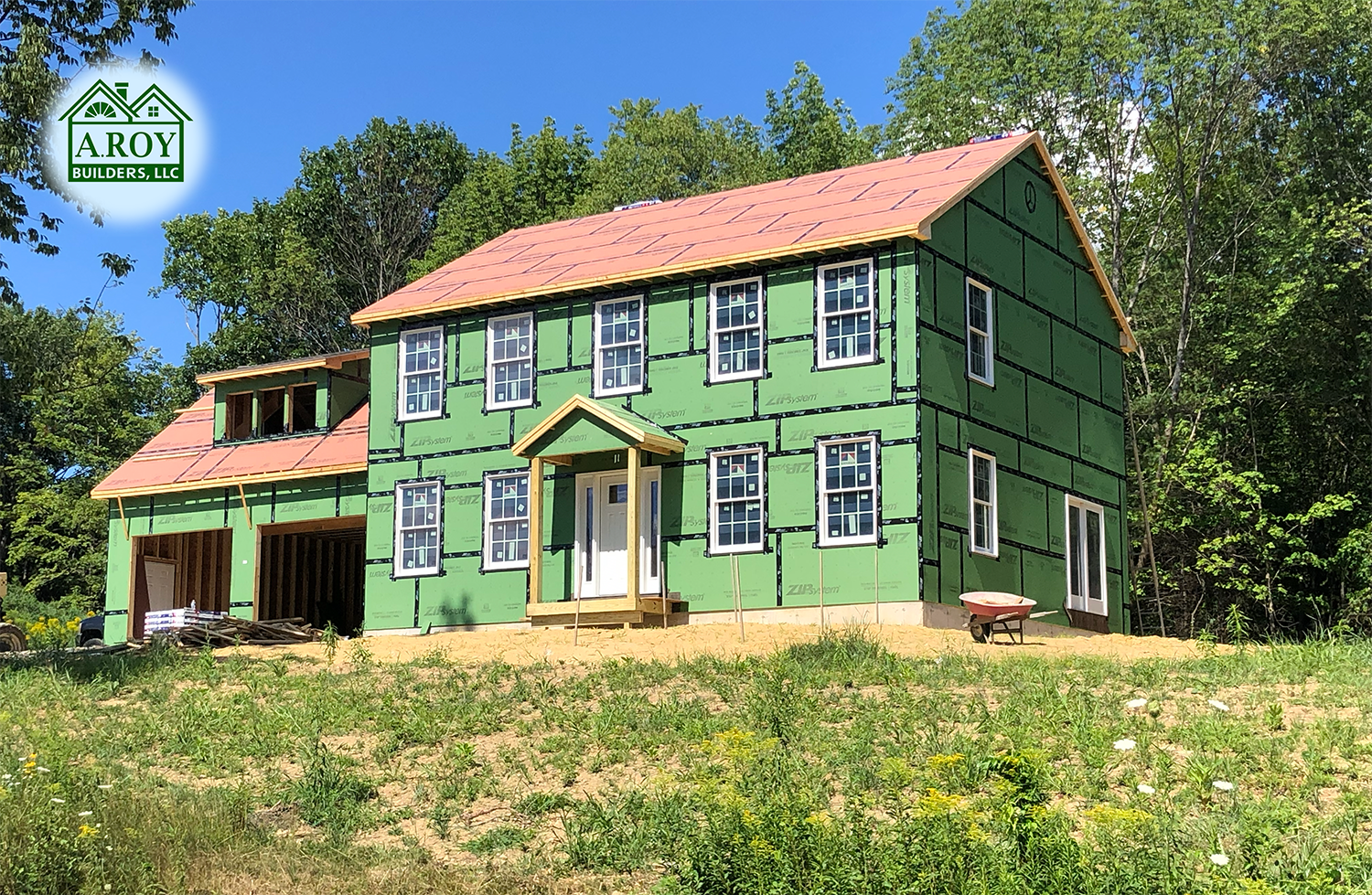
Everything begins with the lot. The condition of your land has more influence on the early costs of your project than almost anything else. Before the first wall goes up, the site has to be ready. That means clearing trees if needed, grading the land, designing and installing a septic system, drilling a well if town water is not available, and preparing the ground for your foundation.
Some lots are straightforward. Others have ledge just below the surface, high water tables, or access challenges that require more work to prepare. None of that is a reason to panic, but it is a reason to involve your builder early. A builder who knows the towns you are looking in can look at a piece of land with you and tell you what you are working with before you are committed to it. That kind of guidance can save you from surprises later.
Your Foundation Is the Most Important Decision Nobody Talks About
Most people spend a lot of energy thinking about their kitchen and their master bath. Very few people spend much time thinking about their foundation. That is understandable, but it is worth paying attention to.
Your foundation is what everything else sits on, literally and financially. A full basement, a walk-out basement, a slab, or a crawl space all have different costs and different implications for how your home lives day to day. A walk-out basement on a sloped lot can add beautiful finished living space. Radiant heat in a slab can make a mudroom or lower level incredibly comfortable in a New Hampshire winter. Proper waterproofing and insulation at the foundation level pays dividends for the entire life of the home.
The point is not that one choice is right and another is wrong. The point is that your foundation deserves the same thoughtful conversation as your countertops.
The Size and Shape of Your Home
Square footage is the number most people lead with, and it does matter. But the shape and layout of your home matter just as much. A compact footprint with a complex roofline, vaulted ceilings, or long open spans requires more engineering and more labor than a simpler layout of the same size. A home that wraps around a view, or steps down with a hillside, or features a dramatic entryway takes more craftsmanship to build than a rectangular box.
That is not a complaint. It is a celebration of what custom building actually is. When you are designing a home to fit your life, your lot, and your vision, you are not ordering off a menu. You are creating something original. The complexity of that creation is part of what makes it yours.
Your Finishes Are Where Your Personality Lives
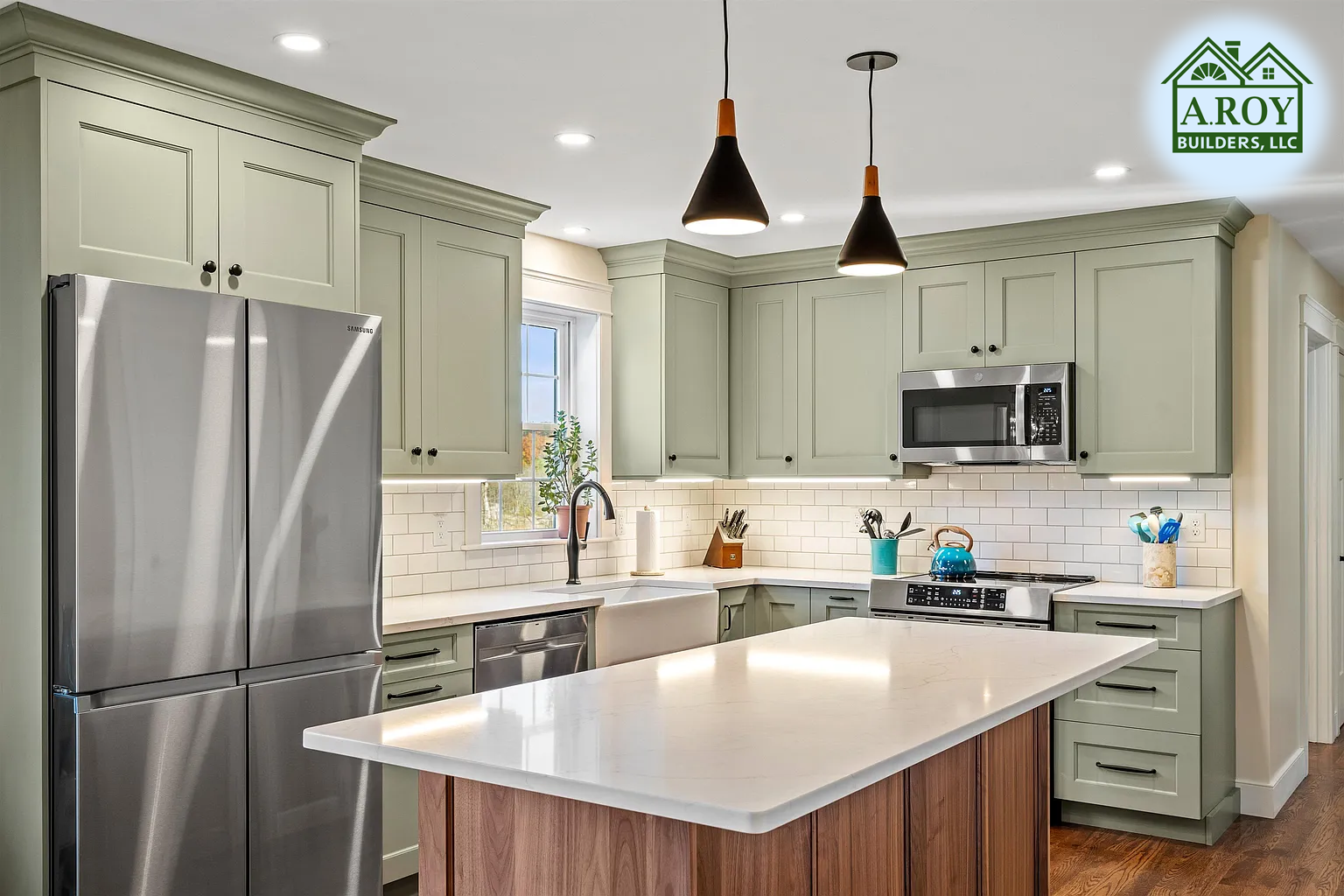
Walk into any custom home and what you notice first are the finishes. The flooring, the cabinetry, the countertops, the tile, the trim detail, the light fixtures, and the hardware. These are the choices that make a house feel like a home, and they span a wide range of quality and cost.
There is no wrong answer here, as long as your selections align with the budget you have set and the builder you are working with understands your expectations upfront. A good builder will set allowances for your major selections before you sign a contract. Those allowances are based on the finish level you have described and the current market for those products. Your job is to make sure those allowances reflect what you actually want, not what sounds reasonable in the abstract.
If you know you want a custom kitchen with professional appliances, say that on day one. If you want wide-plank hardwood throughout the main level, put that on the table early. The earlier your builder knows your true vision, the more accurate your pricing will be.
Energy Systems and Long-Term Value
More homeowners in New Hampshire are building with the future in mind. Roof-mounted and ground-mounted solar panels, battery backup systems, spray foam insulation, and high-efficiency heating and cooling systems like radiant heat and Spacepak are showing up in more custom builds every year. And for good reason.
These systems add to the cost of your build upfront. They also reduce what you spend on energy for the next thirty years. In most cases, adding solar and high-performance insulation during a new build costs a fraction of what it costs to retrofit them later. If living in an efficient, resilient home matters to you, the time to build that way is now.
The People Who Build It
Here is something that does not show up in most cost guides. The quality of the team building your home is one of the most important cost factors of all, and not in the way you might expect.
A well-organized builder with strong relationships with skilled subcontractors keeps your project on schedule. That matters because delays cost money. When a framing crew has to wait on a foundation crew, or a plumber has to reschedule because the rough framing is not ready, those gaps add up. A builder who runs a tight schedule protects your budget as much as your timeline.
The quality of the subcontractors themselves matters too. Skilled tradespeople take pride in their work. They do it right the first time. They do not leave problems behind walls for someone else to discover years later. Paying for quality labor is not an extra. It is part of what makes a home last.
What to Do Next
You do not need to have every answer before you call a builder. You do not need architectural plans, a firm budget, or a finalized lot. What you need is a general sense of what you want and a willingness to have an honest conversation.
The best builders in New Hampshire are not order-takers. They are partners. They will ask you questions you have not thought to ask yourself. They will walk your land with you. They will help you understand what your vision actually looks like when it becomes a physical structure, and what it takes to build it well.
Building a custom home is one of the most significant things you will ever do. It should feel exciting, not exhausting. It should feel like the beginning of something, because it is.
If you are thinking about building in Southern New Hampshire, the Seacoast, or the Lakes Region, ARoy Builders is ready to listen. Reach out through our contact page and let’s start the conversation. There is no pressure, no obligation, and no jargon. Just two people talking about your home.